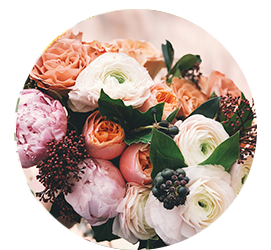
St Johns Church wedding flowers guide for Upper Clapton couples
Posted on 03/10/2026
Planning wedding flowers for St Johns Church can feel deceptively simple at first. You pick a colour palette, choose a bouquet, maybe add a few pew ends, and job done... except it rarely works out that neatly. The space, the lighting, the season, the church layout, and your own timeline all shape what will look right on the day. This St Johns Church wedding flowers guide for Upper Clapton couples is here to make those choices easier, calmer, and a lot more practical.
If you are getting married nearby, you probably want flowers that feel elegant without looking overdone, photograph well in a real church setting, and suit the rhythm of the day. That is what we are focusing on here: how to plan, what matters most, where couples usually trip up, and how to build a floral plan that feels beautifully you. Let's face it, wedding planning already gives you enough to think about.
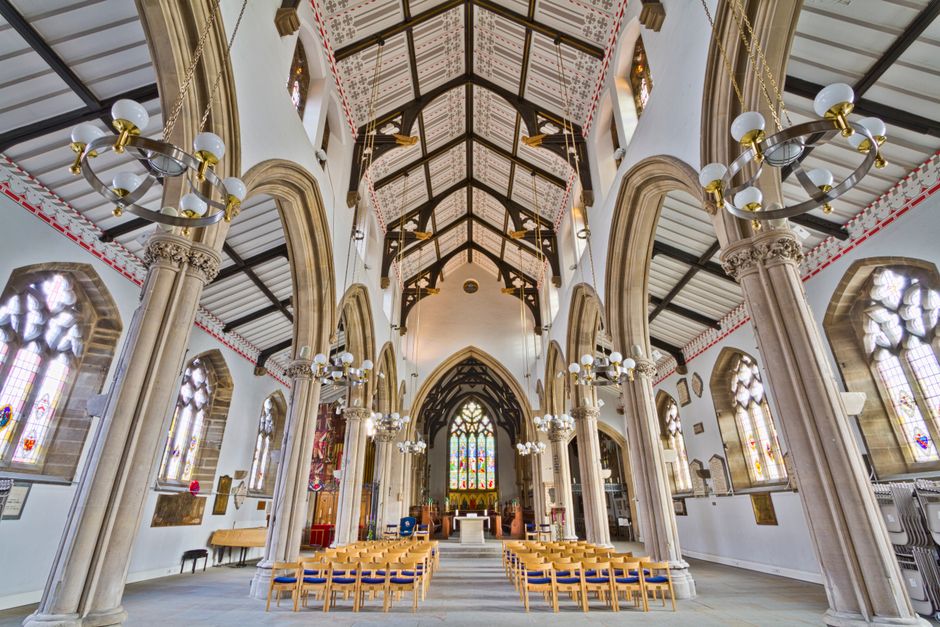
Table of Contents
- Why St Johns Church wedding flowers guide for Upper Clapton couples Matters
- How St Johns Church wedding flowers guide for Upper Clapton couples Works
- Key Benefits and Practical Advantages
- Who This Is For and When It Makes Sense
- Step-by-Step Guidance
- Expert Tips for Better Results
- Common Mistakes to Avoid
- Tools, Resources and Recommendations
- Law, Compliance, Standards, or Best Practice
- Options, Methods, or Comparison Table
- Case Study or Real-World Example
- Practical Checklist
- Conclusion
- Frequently Asked Questions
Why St Johns Church wedding flowers guide for Upper Clapton couples Matters
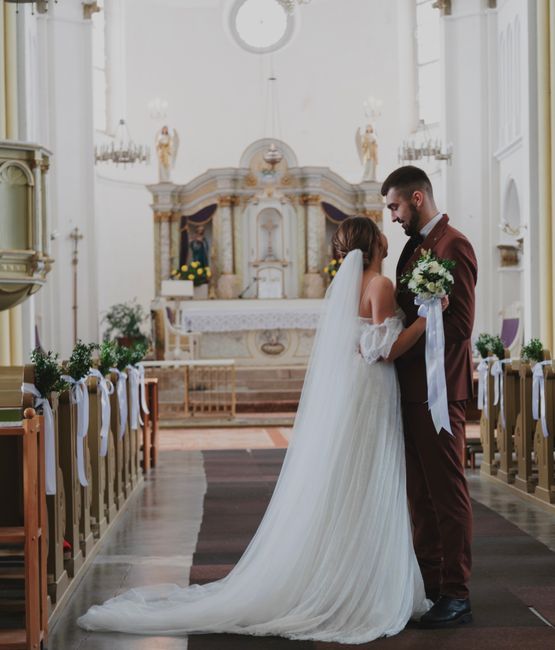
Church flowers are not just decoration. In a setting like St Johns Church, they help shape the mood of the ceremony, guide the eye in photographs, and create a sense of occasion the moment guests step inside. Upper Clapton couples often want something warm and celebratory, but also respectful of the building and the service itself. That balance matters more than people realise.
The right flowers can soften a darker aisle, lift the altar area, and connect your outfit choices to the wider ceremony design. The wrong flowers, on the other hand, can feel too tall, too crowded, or oddly out of place. You may not notice it in the florist's studio. You will notice it on the day, when the church is full, the cameras are rolling, and your bouquet is suddenly the brightest thing in the room.
There is also a local practical angle. Couples marrying in Upper Clapton often need florals that work with London logistics: tight delivery windows, limited setup time, traffic delays, and the realities of moving arrangements between home, church, and reception. A good floral plan reduces stress. A great one makes the whole day feel more settled.
Expert summary: For St Johns Church, the best wedding flowers are usually the ones that suit the space first and your aesthetic second, then find a smart compromise between the two. That sounds obvious. It is often ignored.
For couples still at the early research stage, it can help to browse a trusted local florist selection such as wedding collections or the broader Upper Clapton wedding flowers page to understand what styles are available before you commit to a full plan.
How St Johns Church wedding flowers guide for Upper Clapton couples Works
In practice, the process works best when you treat the flowers as part of the ceremony design, not as a final add-on. Start with the venue, then your ceremony format, then your outfits, then the colour and scale of the flowers. That order saves time and avoids the classic mistake of buying a bouquet that looks lovely on its own but clashes with the church interior.
Most couples begin with three questions:
- What mood do we want: classic, romantic, modern, rustic, or something softer and natural?
- How much floral impact do we want in the church itself, not just in hand-held pieces?
- What needs to travel, and what can stay in place?
For St Johns Church, the answer often sits somewhere in the middle. A couple may want a statement bridal bouquet, a simpler bridesmaid bouquet, modest altar or pedestal flowers, and buttonholes for key people. It does not need to be extravagant to feel complete.
A practical way to think about it is in layers:
- Personal flowers: bridal bouquet, bridesmaid bouquets, buttonholes, corsages.
- Church flowers: altar pieces, pedestal arrangements, pew ends, aisle accents.
- Reception flowers: table arrangements, welcome flowers, small displays that continue the same look.
Upper Clapton couples often find it helpful to keep one floral thread running through all three layers, such as roses, lisianthus, lilies, orchids, or mixed seasonal blooms. That gives the day visual continuity without making everything match too neatly. In our experience, a bit of softness reads better than a rigid, over-coordinated scheme.
Key Benefits and Practical Advantages
Good wedding flowers do more than look pretty in the aisle. They solve small problems that can otherwise become surprisingly annoying on the day. Here are the main advantages couples tend to appreciate once the planning dust settles.
- Better photos: Flowers can frame the ceremony area and create depth in both wide shots and close-ups.
- Stronger atmosphere: Even a modest floral plan can make the church feel warmer, calmer, and more personal.
- Clearer colour story: A well-chosen palette ties together dresses, suits, stationery, and reception decor.
- Less last-minute stress: A defined floral brief reduces the back-and-forth before the wedding.
- Smarter use of budget: Spending where it shows most, such as the bouquet and focal church pieces, usually gives better value than trying to cover every surface.
There is another benefit people don't always mention: flowers help guests feel that they are part of something thoughtfully prepared. Not staged. Thoughtfully prepared. That is a subtle difference, but it matters.
If you are weighing options, you may also find it useful to look at broader product pages such as luxury flowers or more budget-friendly flowers to understand the range of finish levels and shapes available.
| What you want | Flower choice often works well | Why couples choose it |
|---|---|---|
| Classic church look | White roses, lilies, lisianthus | Elegant, calm, timeless |
| Romantic and soft | Pink roses, peonies-style mixed blooms, pale accents | Gentle colour and flattering photos |
| Modern and polished | Orchids, white arrangements, structured shapes | Clean lines and a refined finish |
| Seasonal and natural | Mixed seasonal flowers, greenery, textured stems | Relaxed feel and strong value |
Who This Is For and When It Makes Sense
This guide is especially useful if you are:
- getting married at St Johns Church in Upper Clapton and want flowers that suit the building;
- trying to keep the floral plan elegant but not too expensive;
- working with a tight ceremony schedule and need reliable setup planning;
- choosing between a few styles and want clarity before booking anything;
- trying to combine church flowers with reception flowers without doubling the budget.
It also makes sense if you are a couple who does not want a "florals first" wedding. Some people really love flowers and want a dramatic installation. Others just want the church to feel warm, fresh, and personal. Both approaches are fine. Truth be told, most Upper Clapton couples sit somewhere in the middle.
If your wedding is a small weekday ceremony, your needs may be different from a larger Saturday service. A small ceremony often benefits from one strong bouquet, a few key church pieces, and simple styling. A larger wedding may justify more pew flowers, additional arrangements, or a fuller altar design. The shape of the day should drive the flower plan, not the other way around.
Step-by-Step Guidance
1. Start with the church layout
Before you think about roses or orchids, picture where the flowers will sit. Will they be near the altar, along the aisle, at the entrance, or in multiple places? Some churches look best with just a few focal pieces. Others can handle a fuller style. If you are unsure, keep it simple and build up from there.
2. Choose your colour palette
Pick two or three main colours, then one supporting tone. White and green is a classic choice. Blush and ivory feels softer. Deep red with cream gives more drama. If you love mixed colours, make sure there is one unifying element, such as flower type or vase style, so it does not become a visual jumble.
3. Match bouquet size to the dress and the space
A bouquet that looks perfect in a studio can feel too large in a church aisle, especially if you are moving, hugging, and signing registers. Likewise, a bouquet that is too small can disappear in photos. A florist should help you balance shape, weight, and proportion. It sounds fussy. It is fussy. But it pays off.
4. Decide what the church needs versus what the reception needs
Not every arrangement has to do two jobs. Some flowers can be moved after the ceremony, but only if timing and transport make sense. Ask yourself what is really worth reusing. A central floral piece may work well again at the reception; delicate pew flowers may not survive a shuffle in a back seat.
5. Confirm delivery and setup timings early
London traffic is London traffic. Build in time. Make sure you know who is receiving the flowers, where they will be placed, and whether the florist is setting up before guests arrive. A good setup plan removes a surprising amount of day-of anxiety.
6. Keep a small backup plan
Have one or two practical backups: spare ribbon, a safe place for bouquets, and a contact number for the person coordinating the flowers. If a buttonhole drops a stem, or a vase needs topping up, you do not want to be improvising five minutes before the ceremony. Been there, seen that, not ideal.
Expert Tips for Better Results
The best wedding flower plans usually look simple from the outside because a lot of smart decisions were made underneath. That is the trick. Here are a few practical tips that tend to make a real difference.
- Prioritise the first photo moments. The bouquet, altar flowers, and the area where you will stand during the vows matter most.
- Use texture, not just colour. A mix of petals, foliage, and bloom shapes gives flowers more depth in church lighting.
- Keep scent in mind. Some flowers smell gorgeous, but too much fragrance in a closed or compact space can be distracting.
- Think about hand comfort. Brides spend a long time holding bouquets. The grip should feel natural, not like carrying a small kettlebell. Slightly dramatic, but true.
- Choose the right scale for the aisle. Tall arrangements can be striking, but they must not block sightlines.
- Ask for flower substitutions by season. If a preferred bloom is unavailable, a florist should suggest a close visual match rather than forcing the issue.
A useful local habit is to plan flowers with the weather in mind. Even a mild London day can be humid or breezy, and transport in the back of a car can be less than graceful. Flowers that travel well are worth their weight in gold.
For couples who want the floral look to extend beyond the ceremony, consider linking the church flowers with items such as table arrangements, bridal bouquets, or buttonholes so the whole day feels connected.

Common Mistakes to Avoid
It is easy to get carried away by pictures online. Lovely pictures, sure. But they do not always translate to your church, your schedule, or your budget. These are the mistakes we see most often.
- Choosing without checking the venue space. A design that works in a barn or hotel can feel wrong in a church.
- Over-ordering for the wrong areas. Many couples spend too much on low-impact spaces and not enough on the focal points.
- Ignoring the walk from car to church door. If the bouquet or arrangements are awkward to carry, that becomes a real problem.
- Mixing too many styles. Classic roses, wild meadow flowers, and heavy tropical shapes can fight each other unless there is a clear plan.
- Forgetting about weather and transport. Flowers need a safe, cool journey. Simple as that.
- Leaving buttonholes too late. These are tiny pieces, yet they create last-minute panic more often than they should.
One small but important point: do not assume all white flowers look the same. Ivory, cream, bright white, and antique white can read very differently under church light. If your outfit is off-white, that subtle mismatch can suddenly become visible. Not always. But often enough to matter.
Tools, Resources and Recommendations
You do not need a mountain of tools to organise church wedding flowers, but a few practical resources help a lot.
- Venue photos: Use real pictures of the church interior to judge scale and colour.
- Outfit swatches or close-up photos: Helpful for checking whether flower tones work with fabric.
- A simple shared note: Keep all flower decisions in one place so nothing gets lost.
- Delivery schedule: Write down times, contact names, and placement details clearly.
- Backup transport plan: Useful if flowers need to be moved between home, church, and reception.
On the product side, the most relevant categories for a church ceremony are usually bridal bouquets, bridesmaid bouquets, buttonholes, corsages, and wedding collections. If you are comparing styles, browse white wedding collections, romantic wedding collections, or everlasting love wedding collections for a sense of tone and arrangement structure.
For ongoing flower care advice after the ceremony, the site's flower care guidance is useful too, especially if you plan to keep bouquets or arrangements looking fresh for longer than the morning.
Law, Compliance, Standards, or Best Practice
Wedding flowers are not heavily regulated in the way some services are, but there are still a few sensible standards and best practices to keep in mind. These are less about legal drama and more about smooth, respectful planning.
- Check church permission: Some churches have preferences about where flowers may be placed, what can be attached to pews, or whether loose petals are allowed.
- Respect the building: Avoid anything that could damage surfaces, leave marks, or obstruct walkways.
- Ask about timings: Churches often have limited access windows, so setup needs coordination.
- Use stable containers: Arrangements should be safe to place and easy to remove.
- Be careful with fragrance and pollen: Strong scents and pollen-heavy flowers can be a consideration for guests and for the ceremony space itself.
From a business and consumer perspective, it is also sensible to understand the florist's payment, delivery, returns, and guarantee terms before booking. That is not glamorous, but it is reassuring. The practical pages on payment, delivery, returns and refunds, and guarantees can help set expectations clearly.
If you are using a florist for a full wedding order, it is also worth checking the company background via about us and making use of contact details early so there is time to discuss setup without rushing. That kind of straightforward communication saves headaches later.
Options, Methods, or Comparison Table
When couples ask what works best for St Johns Church, the honest answer is usually: it depends on the size of the wedding, the mood you want, and how much movement the flowers need to survive. Here is a simple comparison to help.
| Option | Best for | Strengths | Watch-outs |
|---|---|---|---|
| Minimal church styling | Smaller ceremonies | Budget-friendly, clean, calm | Can feel too plain if underdone |
| Classic floral church scheme | Traditional weddings | Timeless, elegant, balanced | Needs careful colour matching |
| Full ceremony and reception set | Couples wanting continuity | Strong visual flow across the day | Higher cost and more coordination |
| Seasonal mixed flowers | Relaxed, natural weddings | Texture, personality, often good value | Requires confidence in design balance |
Another useful comparison is flower type. Roses and lilies bring a more formal, polished feel. Lisianthus and alstroemeria can soften the overall look. Orchids feel sleek and modern. If you want something especially cohesive, consider bridal and bridesmaid pieces from the same design family, such as the perfect match bridal bouquet and the matching bridesmaid bouquet.
Case Study or Real-World Example
A very typical Upper Clapton wedding brief goes something like this: a couple wants a church ceremony with a calm, romantic feel, not too much fuss, and a reception later in the day. They love white flowers but do not want the look to feel cold. They also want the bouquets to survive a car journey, a few photos outside, and a church service without wilting into sadness.
The solution was simple, and honestly pretty effective. The floral plan used a white-and-green palette with soft texture: a structured bridal bouquet, smaller bridesmaid bouquets, a handful of buttonholes, and two focal church arrangements to frame the ceremony area. A few table pieces were designed to be reused later. Nothing overcomplicated. No floral fireworks. Just the right amount of polish.
What made it work was not a single expensive bloom. It was the balance. The bouquet held its shape, the church flowers complemented the building rather than fighting it, and the whole day felt consistent from arrival to evening. Guests noticed the flowers, but they did not overwhelm the room. That is usually the sweet spot.
One small detail made a big difference: the florist planned the placement to avoid blocking sightlines from the pews. It sounds minor. It was not minor once the photos came back. The front of the church looked open, framed, and airy, which gave the ceremony a more elegant feel.
Practical Checklist
Use this checklist as you narrow down your church flower plan.
- Confirm the wedding date and ceremony time.
- Check any flower rules or placement preferences with the church.
- Decide whether you want classic, romantic, modern, or seasonal styling.
- Choose a colour palette that works with the dress, suits, and setting.
- Identify the main floral priorities: bouquet, altar, aisle, buttonholes, reception.
- Decide what should be reused after the ceremony.
- Ask how delivery and setup will work on the day.
- Confirm who will receive the flowers and where they will be stored.
- Keep a backup contact number and a simple contingency plan.
- Review payment, delivery, and guarantee details before finalising the order.
If you can tick those off early, everything else feels much less frantic. A bit of order goes a long way here.
Conclusion
The best St Johns Church wedding flowers guide for Upper Clapton couples is not really about buying the most flowers. It is about choosing the right flowers for the church, the season, the ceremony flow, and the feeling you want to create. When those parts line up, the whole day looks calmer, warmer, and more memorable.
Keep the plan simple enough to manage, detailed enough to work, and flexible enough to handle a few real-world surprises. That balance is what makes flowers feel beautiful rather than busy. And on a day as important as your wedding, beautiful and calm is a very good combination.
Get a free quote today and see how much you can save.
If you are still shaping the look of your ceremony, explore the relevant wedding ranges, compare a few bouquet styles, and start with what will genuinely suit St Johns Church rather than what looks good in a random photo online. It will come together. Usually it does, and usually better than you expected.
Frequently Asked Questions
What flowers are best for a church wedding at St Johns Church?
White roses, lilies, lisianthus, orchids, and mixed seasonal flowers are all popular choices because they work well in a church setting and photograph beautifully. The best option depends on the mood you want and the scale of the ceremony.
How many flowers do I need for a St Johns Church wedding?
There is no fixed number. Most couples think in terms of layers: one bridal bouquet, optional bridesmaid bouquets, buttonholes, and a few focal church arrangements. A smaller wedding may only need the essentials.
Can church flowers be reused at the reception?
Often, yes. Some arrangements can be moved after the ceremony if the timing and containers make sense. It is worth planning this in advance so you know which pieces are transportable and which are best left in place.
How far in advance should I book wedding flowers?
The earlier the better, especially for popular dates. Booking ahead gives you more choice on style, colours, and setup planning. If your date is near a busy season, leaving it too late can limit options quite a bit.
What colours work best inside a church?
Soft whites, creams, blush tones, muted greens, and classic reds all work well depending on the look you want. Strong colours can be lovely too, but they need balancing so they do not overpower the space.
Do I need flowers at the church entrance as well as inside?
Not always, but entrance flowers can create a welcoming first impression. If your budget is tight, it is often better to prioritise the ceremony focal point first, then add entrance styling if there is room.
Are buttonholes and corsages necessary?
Not necessary, but they are a nice finishing touch for key people such as the groom, fathers, or close family. They help the wedding party feel coordinated without being too formal.
What if I want a simple wedding and not a big floral display?
That is completely fine. A small bouquet, a few buttonholes, and one or two modest church arrangements can still look elegant. Simplicity often looks more polished than trying to do too much.
How do I keep wedding flowers fresh on the day?
Keep them cool, out of direct sun, and in water if they are not being carried straight away. Good delivery timing helps a lot, and your florist should advise on any handling details for specific flowers.
What should I ask the florist before booking?
Ask about style options, delivery timing, setup support, bouquet size, transport, payment terms, and what happens if a certain flower is unavailable. Those conversations save time later and make the whole process less stressful.
Can I choose seasonal flowers instead of specific blooms?
Absolutely. In fact, seasonal flowers can be a smart choice because they often look more natural and may offer better value. A florist can suggest a palette and then build the design around what is freshest.
Is it better to match the flowers exactly to the bridesmaids' dresses?
Not necessarily. Exact matching can look a bit flat. It is usually better to complement the dresses with related tones and textures so the whole look feels coordinated but not rigid.