Dive Into the World of Peony Flowers: A Guide to Their Symbolism and Hues
Posted on 01/06/2025
Dive Into the World of Peony Flowers: A Guide to Their Symbolism and Hues
Peony flowers enchant gardeners and flower lovers alike with their lavish blooms, enchanting fragrances, and diverse colors. Revered throughout history, these majestic perennials have found their place in gardens, wedding bouquets, and cultural traditions around the world. In this comprehensive guide, we'll explore the rich symbolism, fascinating history, and mesmerizing hues of peonies, helping you appreciate these blossoms on a whole new level.
Peony Flower Origins: A Brief History
Tracing the roots of the peony flower takes us back thousands of years. The peony genus (Paeonia) is native to Europe, Asia, and parts of North America, with most species originating in China. The Chinese peony (Paeonia lactiflora) and the tree peony (Paeonia suffruticosa) have been cultivated since ancient times and celebrated for their beauty and medicinal properties.
- China: Peonies, known as "the king of flowers," are featured in art, poetry, and imperial gardens. They symbolize wealth, honor, and nobility.
- Japan: Peonies signify bravery and good fortune, often depicted in tattoos and traditional paintings.
- Europe: Peonies arrived in European gardens in the 18th century, admired for their voluptuous flowers and sweet scent.
Through centuries, peonies have become a staple in ornamental horticulture, representing luxury and romance across many cultures.

The Enchanting World of Peony Symbolism
Every peony bloom tells a different story. These florals are rich in symbolism, their meanings weaving through myths, folklore, and cultural traditions. Let's delve into what makes peonies so significant:
1. Prosperity and Wealth
In Chinese culture, peonies are unmatched as symbols of wealth and prosperity. Often called the "flower of riches and honor" (fuguihua), peony flowers were once only grown in the imperial gardens of the Forbidden City. They are frequently featured in Chinese art and New Year decorations to attract luck and financial success.
2. Romance and Love
The resplendent petals and intoxicating scent of peonies make them a beloved symbol of romance. These flowers are traditional choices for spring and summer weddings, representing happy marriages and a blissful life together. In Victorian floriography, gifting a peony meant devotion, affection, and a wish for a happy union.
3. Honor and Respect
Peony blooms also signify honor, nobility, and high social status. This association, particularly strong in Eastern cultures, reflects the flower's majestic appearance and rarity in ancient times. Peonies often appear in awards and decorations to symbolize distinction and respect.
4. Healing and Protection
In medieval Europe and ancient China, peony roots and seeds were considered potent healing agents. The flowers themselves were seen as icons of health, healing, and protection, warding off evil spirits and misfortune.
5. Bashfulness and Modesty
Intriguingly, peonies can symbolize shyness or bashfulness--perhaps due to their large blooms hiding delicate centers. In Western symbolism, offering a peony can imply embarrassment or regret over exposing too much of oneself.
Captivating Peony Hues and Their Meanings
One of the most enchanting aspects of peony flowers is their extraordinary range of hues. Each color brings with it its own symbolic meaning and emotional resonance. Here's a guide to some of the most popular peony colors and the symbolism they represent:
1. Pink Peonies
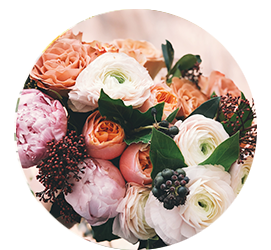
Pink peony flowers are perhaps the most iconic. Elegantly romantic, they convey love, grace, and happiness. They are frequent stars in bridal bouquets and spring centerpieces, symbolizing new beginnings and gentle emotions. In traditional Chinese weddings, pink peonies represent a joyful, harmonious partnership.
2. White Peonies
White peonies exude purity, innocence, and elegance. They are popular in wedding and baptism arrangements, or where a sense of peace and sincerity is desired. In the language of flowers, a white peony can also send messages of regret or apology, making them appropriate for mending relationships.
3. Red Peonies
Red peony flowers are bold and powerful, symbolizing passion, respect, and abundance. In Eastern traditions, red is the color of luck, celebration, and vitality. Red peonies bring strong energy to any occasion and are often given to convey admiration or to honor notable achievements.
4. Yellow and Gold Peonies
Yellow peonies, less common but highly prized, symbolize renewal, hope, and positive energy. Gold-hued varieties are associated with opulence, fortune, and growth. These cheerful peony flowers make a radiant gift to celebrate new ventures or mark special milestones.
5. Purple and Lavender Peonies
Regal and mysterious, purple peonies represent nobility, admiration, and mystique. They are ideal for expressing deep respect, collective achievement, or personal transformation. Lavender peonies can also evoke a sense of tranquility and inner peace.
6. Coral and Peach Peonies
Coral and peach peony varieties are beloved for their warmth and freshness. These hues suggest friendship, gratitude, and enthusiasm. They are perfect for expressing appreciation or celebrating joyous reunions.
Popular Types and Varieties of Peony Flowers
Thinking of growing your own peony garden? The world of peonies is vast, with hundreds of cultivars divided into three main types:
- Herbaceous Peonies: The most familiar type, with soft stems that die back each winter. Varieties include the pink 'Sarah Bernhardt' and white 'Festiva Maxima'.
- Tree Peonies: Woody, shrub-like perennials with massive, exotic blooms. Examples are Paeonia suffruticosa hybrids such as 'High Noon' (yellow) and 'Shimanishiki' (striped red & white).
- Intersectional (Itoh) Peonies: Crosses between herbaceous and tree peonies. They offer lush blooms and sturdy stems; look for 'Bartzella' (yellow) or 'Cora Louise' (white-lavender).
Where to See Peony Flowers in Bloom
If you want to immerse yourself in a world of peonies, consider visiting famous gardens during peak season (late spring to early summer):
- Luoyang National Peony Garden, China: Home to over 1,000 peony varieties and the annual Luoyang Peony Festival.
- Kamo Iris Garden, Japan: Renowned for exquisite tree peonies beneath wisteria canopies.
- Schreiner's Peony Gardens, USA: Oregon's premier peony farm, offering acres of dazzling color.
- Kew Gardens, UK: Historic garden with ornamental peony collection and educational tours.
Plan a visit for an unforgettable floral experience--photographers and flower enthusiasts alike can capture the fleeting magic of these blooms.
How to Grow and Care for Peonys
With their long lifespan and stunning flowers, peony plants make a rewarding addition to any garden. Here's a quick care guide for success:
Planting Tips for Peonies
- Choose a site with full sun and well-draining soil.
- Space plants at least 3 feet apart to promote air circulation.
- When planting bare-root peonies, keep the eyes (buds) just 1-2 inches below the surface.
- Water deeply after planting, then mulch to retain moisture and discourage weeds.
Peony Care and Maintenance
- Water regularly during dry spells, especially while buds are forming.
- Fertilize in early spring with a balanced, slow-release fertilizer.
- Support heavy flower heads with stakes or hoops to prevent drooping.
- Deadhead spent blooms and cut foliage to the ground after it yellows in the fall.
Common Questions about Peony Flowers
- Do peonies need winter chill? Yes--cold winters help set buds for spring flowering.
- How long do peonies live? With proper care, peony plants can thrive for 50 years or more!
- Why no blooms? Planting too deep, too much shade, or too much fertilizer can prevent blooms.
Peony Flower in Art and Modern Culture
Beyond gardens, peony flowers thrive in art, fashion, and design. They regularly appear in:
- Tattoo Art: Symbolizing perseverance, transformation, and beauty.
- Textiles and Home Decor: Peony motifs add luxury and romance to fabrics, wallpaper, and soft furnishings.
- Fine Art: Masters like Pierre-Auguste Renoir and Qi Baishi immortalized peonies in painting.
- Home Fragrance and Perfumes: Peony scents are beloved for their delicate, powdery aroma.

Interesting Facts About Peonies
- Longest-lasting blooms: Peony flowers may last just days on the plant, but cut stems can last over a week in a vase.
- Wedding flower superstition: It was once believed bad luck would befall a bride who picked peonies herself for her bouquet.
- Symbol of state: The peony is the state flower of Indiana, USA.
- Ants and peonies: Ants love the sweet nectar on peony buds but do not harm the plant.
Conclusion: The Lasting Allure of Peony Flowers
Peony flowers have bewitched peoples and cultures for millennia, with each spectacular bloom evoking beauty, mystery, and deep emotion. Whether you're growing peonies in your garden, admiring them in art, or sharing them as gifts, their enduring symbolism and splendid hues ensure that peonies remain among the world's most beloved blossoms.
By understanding the meaning and variety of peonies, you can enrich your appreciation of these magical flowers--and perhaps be inspired to plant a few in your own landscape for years of colorful blooms and cherished symbolism.
Bring home a bouquet of peonies today--and let their timeless beauty transform your space!
Latest Posts
Sunflower Surprises: 8 Unknown Facts Waiting to Amaze You
Unlocking the Secrets of Orchid Success
Unveiling the Tradition of Red Roses on Lover's Day