Dive into the Fascinating World of Lesser-Known Tulip Facts
Posted on 14/06/2025
Dive into the Fascinating World of Lesser-Known Tulip Facts
When most people think of tulips, visions of vibrant spring gardens and fields in Holland may come to mind. However, these iconic blooms are far more intriguing than they appear at first glance. If you're ready to dive into the fascinating world of lesser-known tulip facts, this comprehensive guide will surprise and delight with history, science, and enchanting trivia about one of the world's most beloved flowers.
The Origins and Wild Ancestors of Tulips
Tulip's Wild Roots: Not Just a Dutch Wonder
- True Origins: Contrary to popular belief, tulips did not originate in the Netherlands. The wild ancestors of modern tulips hail from the rugged mountains of Central Asia, specifically regions now in Kazakhstan, Uzbekistan, and western China.
- Silk Road Connections: These captivating flowers were transferred to other parts of Asia and Europe along the ancient Silk Road. They flourished in the palace gardens of Persia long before reaching Western Europe.
Although the Dutch made tulips famous, these flowers have a rich history that stretches far beyond the windmills and canals of Holland.
The Persian Passion for Tulips
The Persians held tulips in high regard, viewing them as symbols of love and purity. Persian art and poetry frequently celebrate the tulip's beauty, and the flower was a popular motif in textiles and ceramics.
From the Ottoman Empire to Tulip Mania
Ottoman Tulip Era
- The tulip became a central element in the court culture of the Ottoman Empire, particularly during the early 18th century, a period often called the "Tulip Era" (Lale Devri).
- During the Tulip Era, the flowers stood for beauty, wealth, and sophistication. Sultans hosted elaborate tulip festivals, and gardeners strove to cultivate ever-more exotic varieties.
- Tulips adorned royal palaces and inspired delicate designs in art, architecture, and fashion, often represented with exaggerated, elongated petals.
The Dutch Tulip Craze: More Than a Market Bubble
No list of lesser-known tulip facts would be complete without mentioning Tulip Mania, the world's first recorded economic bubble. In the 17th century, Dutch merchants and aristocrats became obsessed with rare tulip bulbs, particularly those with "broken colors"--striking patterns or stripes prized for their uniqueness.
- Tulip bulbs were traded at astronomical prices, sometimes surpassing the value of homes and plots of land.
- The "bubble" eventually burst in 1637, causing financial ruin for many. The fallout propagated deeper regulation and caution in Dutch financial markets.
- Despite its abrupt end, Tulip Mania demonstrates the powerful allure and cultural impact of these captivating blooms.
Exploring Hidden Tulip Phenomena
Tulips in Nature: Remarkable Adaptations
Wild tulips--far removed from their manicured garden counterparts--are hardy survivors, adapting to life in harsh, mountainous habitats. Here are a few surprising biological facts about tulips:
- Drought Tolerance: Many wild tulip species are incredibly drought-resistant, going dormant underground during dry summers and emerging again in spring.
- Unique Seed Dispersal: Tulips often use wind-dispersed seeds, with lightweight, papery outer layers that carry offspring away to new sites.
- Color Shifts in Response to Temperature: Some tulip varieties demonstrate a fascinating trait known as thermochromism, where their pigments intensify in cooler weather--a delightful surprise for attentive gardeners!
Tulip Varieties You've Never Heard Of
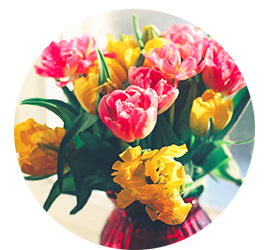
With more than 3,000 registered varieties, from the simple single-cup blooms to frilled, feathered, or double-petaled forms, the tulip family is nothing if not diverse. Beyond the classic reds and yellows, here are a few unique kinds:
- Rembrandt Tulips: Named after the famed artist, these boast bold streaks caused by a harmless virus, once highly valued during Tulip Mania.
- Parrot Tulips: Famed for their ruffled petals and wild color combinations--shades of lime, deep purple, and flame-orange.
- Viridiflora Tulips: Feature fascinating green streaks making them a florist's favorite for edgy arrangements.
- Species Tulips: The diminutive, wild-type tulips (such as Tulipa tarda) are gaining popularity in naturalistic gardens for their resilience and dainty form.
Unusual Uses and Symbolic Meanings
Tulips Beyond Ornamentation
While most people enjoy tulips for their ornamental value, the blooms have "hidden talents" that most are unaware of:
- Edible Petals and Bulbs: During hard times, especially in World War II's Hunger Winter, Dutch families resorted to eating tulip bulbs for survival. Some petals are edible and can add a splash of color to salads, though not all varieties are palatable.
- Tulip Petals in Art: The enduring beauty of tulip petals has inspired artists to use them as natural pigments and to create pressed flower art.
- Used in Perfume: Extracts from hybridized tulips occasionally find their way into high-end perfumes, prized for delicate, green-floral notes.
Unraveling the Symbolism of Tulips
Tulips symbolize perfect love in many cultures, especially within Persian and Turkish traditions. However, the color of a tulip can carry subtle, unique meanings:
- Red Tulips: A declaration of true, passionate love.
- Yellow Tulips: Once associated with hopeless love, but now symbolize cheerfulness and sunshine.
- Purple Tulips: Royalty, luxury, and pride.
- White Tulips: Apologies, purity, or a new beginning.
- Striped or Variegated Tulips: Historically conveyed admiration or "You have beautiful eyes."
Curious Chemistry: The Science Behind Tulip Beauty
Why Do Tulips Close at Night?
One of the more fascinating tulip characteristics is their tendency to open during daylight and close at night or in cloudy weather. This motion, called nyctinasty, is influenced by changes in light and temperature, helping to protect reproductive organs and conserve moisture.
Color-Changing Wonders
Did you know some tulips change color over time? As blooms age, their pigments can fade or intensify, giving a single plant a "multi-color" display over the course of several days. This phenomenon is especially pronounced in some hybrid and parrot tulip cultivars.
The science of tulip coloration involves flavonoids and anthocyanins, chemicals that determine every shade from snow-white to deepest purple. Soil quality, pH, and climate can influence the final floral fireworks in your garden.
Record-Breaking Tulip Feats
- World's Largest Tulip Festival: Ottawa, Canada, hosts the Canadian Tulip Festival every May, displaying millions of blooms and honoring the historical ties between Canada and the Netherlands.
- Highest Price Ever Paid: The most expensive tulip bulb, the "Semper Augustus", reportedly sold for today's equivalent of tens of thousands of dollars during the height of Tulip Mania.
- Longest Bloom Time: While many tulips bloom for less than two weeks, careful selection of early, mid, and late varieties can ensure color from mid-March to May.
Eco Secrets: Tulips in the Modern Garden
Nature's Pollinator Lure
While not as famed for attracting bees as other blossoms, tulips serve an important ecological role. Their early-spring flowering provides critical sustenance for honeybees and solitary bees emerging from winter dormancy.
- Unusual Visitors: In some regions, beetles and even small mammals may pollinate tulip flowers, drawn in by their bold colors and sweet nectar.
Tip: Planting a mix of species tulips and cultivated varieties can help sustain a broader range of pollinators and enhance garden biodiversity.
Tulips and Sustainability
Tulip bulbs can multiply and even naturalize in gardens, requiring minimal intervention. Some unique varieties have been bred for increased disease resistance, making them eco-friendly choices for sustainable landscaping.
How to Grow and Enjoy Rare Tulips
Sourcing Uncommon Tulips
If you want to add intrigue to your garden, seek out lesser-known species and heritage tulips. Botanical gardens, specialty bulb suppliers, and local plant societies are the best places to find rare and historic types.
- Try Tulipa clusiana (the "Lady Tulip"), a slender wild species with elegant bi-color blooms.
- Look for historic "Cottage" or "Lily-flowered" tulips, which retain the pointed, nodding forms of their ancestors.
- Consider multiflowering stems for a unique twist: some bulbs produce up to ten flowers on a single stalk.
Tips for Thriving Tulips Year After Year
- Plant in the Fall: Tulip bulbs need winter chill to trigger spring blooming.
- Well-Drained Soil: Ensure your soil isn't waterlogged to avoid bulb rot.
- Full Sun: The more sunlight, the more brilliant your tulip blooms.
- Feed Lightly: Too much fertilizer can over-stimulate leaf growth at the expense of flowers.
- Allow Foliage to Die Back: Don't cut leafy stems until they've yellowed, as this provides energy for next year's flowers.
Conclusion: Rediscover the Magic of Tulips
Tulips are far more than a cheerful spring bloom--they are living stories of empire, passion, survival, and adaptation. By exploring the fascinating world of lesser-known tulip facts, you not only gain fresh appreciation for their beauty, but unlock deeper layers of meaning in every petal.
Whether you're a seasoned gardener, a history buff, or simply enchanted by flowers, remember:
Each tulip is a link to centuries of art, romance, and scientific wonder--waiting to grace your garden with its ephemeral magic.
Dive deeper into the world of tulips, and you'll find that each blossom has a tale to tell--one more captivating than the last.